Forfatterarkiv: Steen

Angling in August


Mackerels in Kattegat

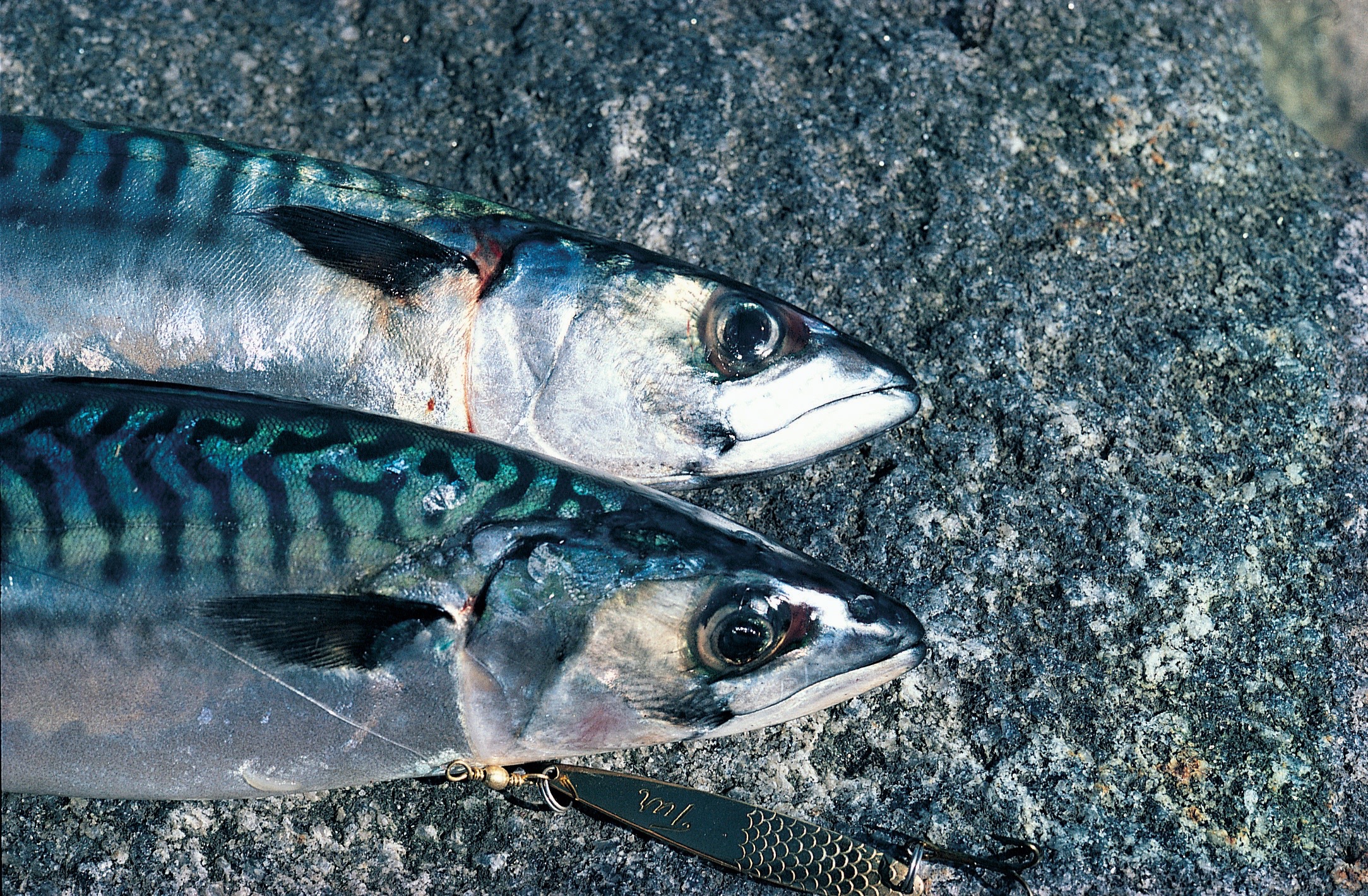
Each year a number of mackerel are caught in the waters off Randers Fjord and Djursland. The large majority are caught in nets but many more mackerel could be caught on rod and reel if anglers targeted these fisk more specifically.

Fishing for mackerel peaks in August where most mackerels have reached Danish waters. Usually they hang out in deeper waters where they can be reached exclusively by boat. Only rarely do they get close enough to be caught from the shoreline.

Very often these mackerels feed in deep water where you need at least a Dipsy Diver to bring your lure down. If you have access to a downrigger so much the better. Then you will have no problems getting down deep where the fish lurk – even using light tackle fit for this the strongest of all fighters in Danish waters!


Autumn seatrout on the move

In August large numbers of sea trout start migrating towards the rivers where they are to spawn later in the year. This migration primarily takes place on dark nights but even overcast days may see some fish migrating. The worse the weather the better the fishing!

During the latter half of August water temperatures peak along the coast. This may sound good if you are a tourist wanting to swim in the ocean. But if you have to live all your life under water, this is bad news indeed. Unless of course you are a bluegreen algae and thus thrive in warm water!

With increasing temperatures the oxygen content of the water decreases. This is critical to many fish species that are forced to move towards areas with strong currents bringing in cold water rich in oxygen. Thus fish migrate from protected shallow bays towards the deeper open ocean.

Fishermen should follow this migration, focusing specifically on dark overcast and windy days where fish are most active. Djursland offers good numbers of suitable spots for productive shoreline fishing in August. Look for points protruding into the open ocean and try to catch a high tide that brings in colder water. This will greatly increase your chances of succes.


Perch on the porch

The light nights are definitely over but decreasing day lengths make the eels embark upon their long and dangerous spawning migration back to their ocean of birth, the Sea of Sargasso.

August is also a time where hungry perch are having a ball chasing this year’s fish fry that have ventured outside the protective cover of the water vegetation. Here they have been hiding all day and summer in the shelter of the long weed stems.

But when darkness arrives they venture outside this cover to feed in open, unprotected water, and here many a fry ends its short life in the huge mouth of a hungry perch…

East Jutland has many good perch lakes to offer both local and visiting fishermen. Most of them are located in the Danish Lake District around Silkeborg where almost all lakes hold good populations of tasty perch, some weighing in at over two pounds!


Hot rivers on wait

Decreasing day lengths also put mature sea trout on the move towards their rivers of birth – quite opposite the eels that now migrate from their freshwater feeding grounds to their saltwater spawning sites.

August is the warmest month of the year and this can be felt both over and under water. On hot and calm August days the rivers show very few signs of life. It seems as if they are surviving more than actually being alive. But when darkness arrives, fish show up in many places. They roll or even jump showing fishermen on the banks that they are indeed there – ready to be caught.

But you have to stay awake during the night to catch fish in the heat of August – unless of course August comes up with wet, cold and windy days. Conditions that lure fresh salmon and seatrout into the rivers. August weather like that is much awaited along the banks of the mighty River Guden!


© 2023 Steen Ulnits

Angling in July


The River Guden still produces

May 16th this year was a day to remember for those fishing the River Guden. some years ago. That day an impressive silvery salmon of no less than 14,1 kg, 108 cm long, was caught on a spinner. This was then one of the largest salmon caught in the River Guden since it was dammed by Tangeværket in the 1920’s when the original salmon stock was totally eradicated.

But this great fishing has not happened by itself. Instead it is the result of intensive fisheries management undertaken by local angling clubs along the river. Again this year more than 100.000 small salmon were released into the River Guden – at places like Bjerringbro, Ulstrup and Stevnstrup. Places located downstream of the hydroelectric power plant Gudenå-Centralen that still blocks further upstream migration of seatrout and salmon.

It is expected that the heavy stocking of salmon smolts in previous years will result in heavy catches of returning salmon in the remaining part of this year. Something to look forward to!


Peak season for peaceful fishing

Now is the peak season for heat-loving coarsefishes. They have finished spawning and now turn their attention 100% to feeding and putting back on the weight they lost during spawning.

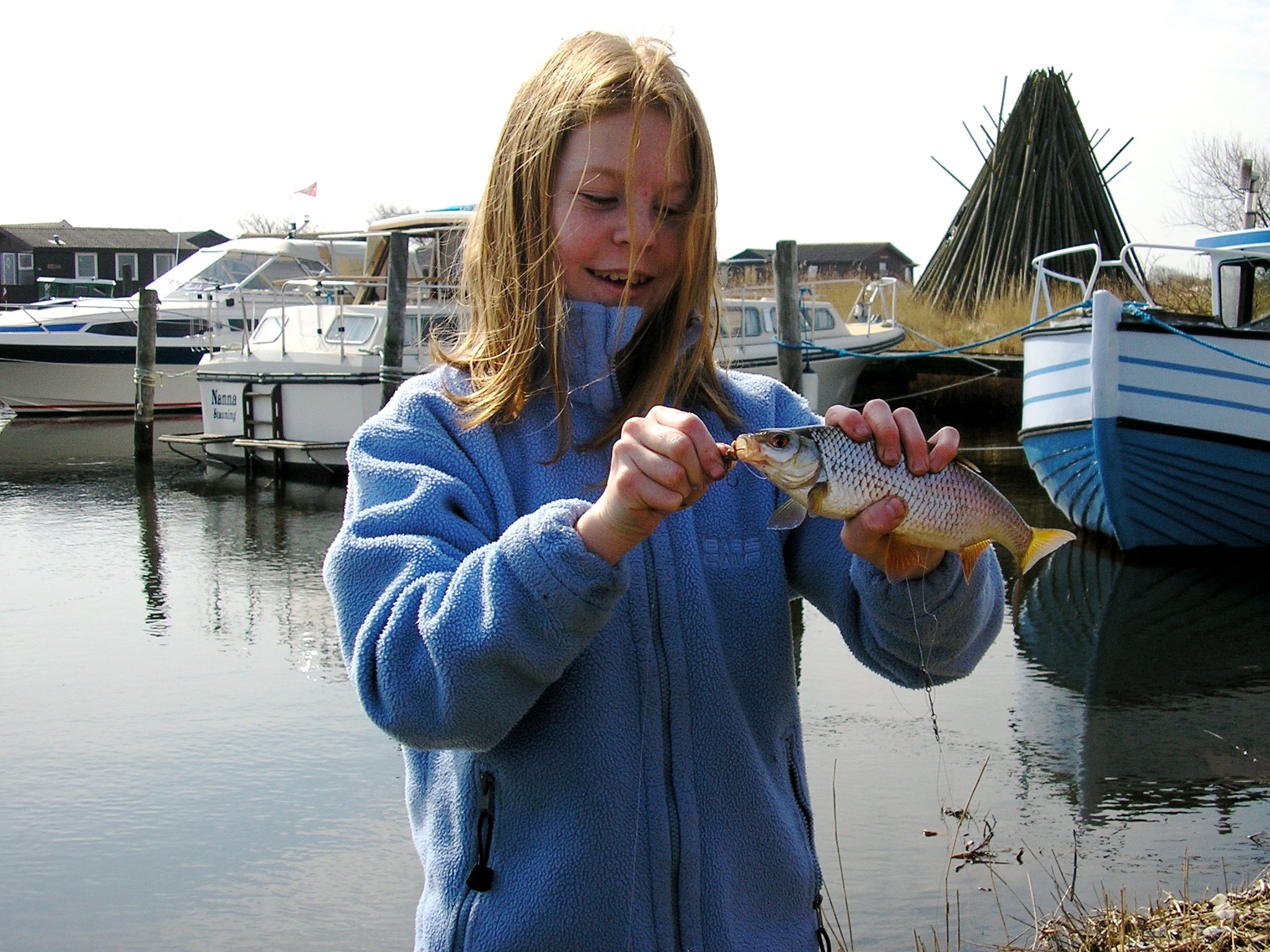
If you fancy the exciting coarsefishing for species like roach and bream, tench and carp, East Jutland has many a good piece of water for you. Especially when it comes to roach and bream, several lakes in East Jutland are second to none. Some are even of international renown.

This in particular goes for Lake. Skanderborg that some years ago yielded several new world records and thus became internationally known. The fish are still there but a ban on heavy ground baiting – no more than 0,5 kg is allowed per day per fisherman to improve the water quallity of the lake – has limited the number of anglers here in recent years.

But fish are so plentiful that in fact you do not need heavy groundbaiting to be able to make heavy catches in the Skanderborg and Silkeborg Lakes. They are just loaded with roach and bream!


The night time is the right time

For seatrout, that is. Coastal waters are now so warm – around 20 degrees Celsius – that predatory fish like cod and seatrout usually abandon them and spend the day in deeper and cooler waters.

These predatory fish are well aware that the shallows are still very rich in easy-to-catch food. But they wait untill sunset before they migrate towards the shoreline to feed during the dark hours of the day. The water being at its coolest just before sunrise.

Especially the silvery seatrout is a common guest close to shore during warm summer nights. It prefers localities where deep water and strong currents are found close to the shoreline, making for pleasant temperatures. Fishing is usually best from points that protrude out into the open ocean – typically on Djursland that offers many good places for nighttime summer fishing. Among the classics are Fornæs Fyrand Sletterhage.

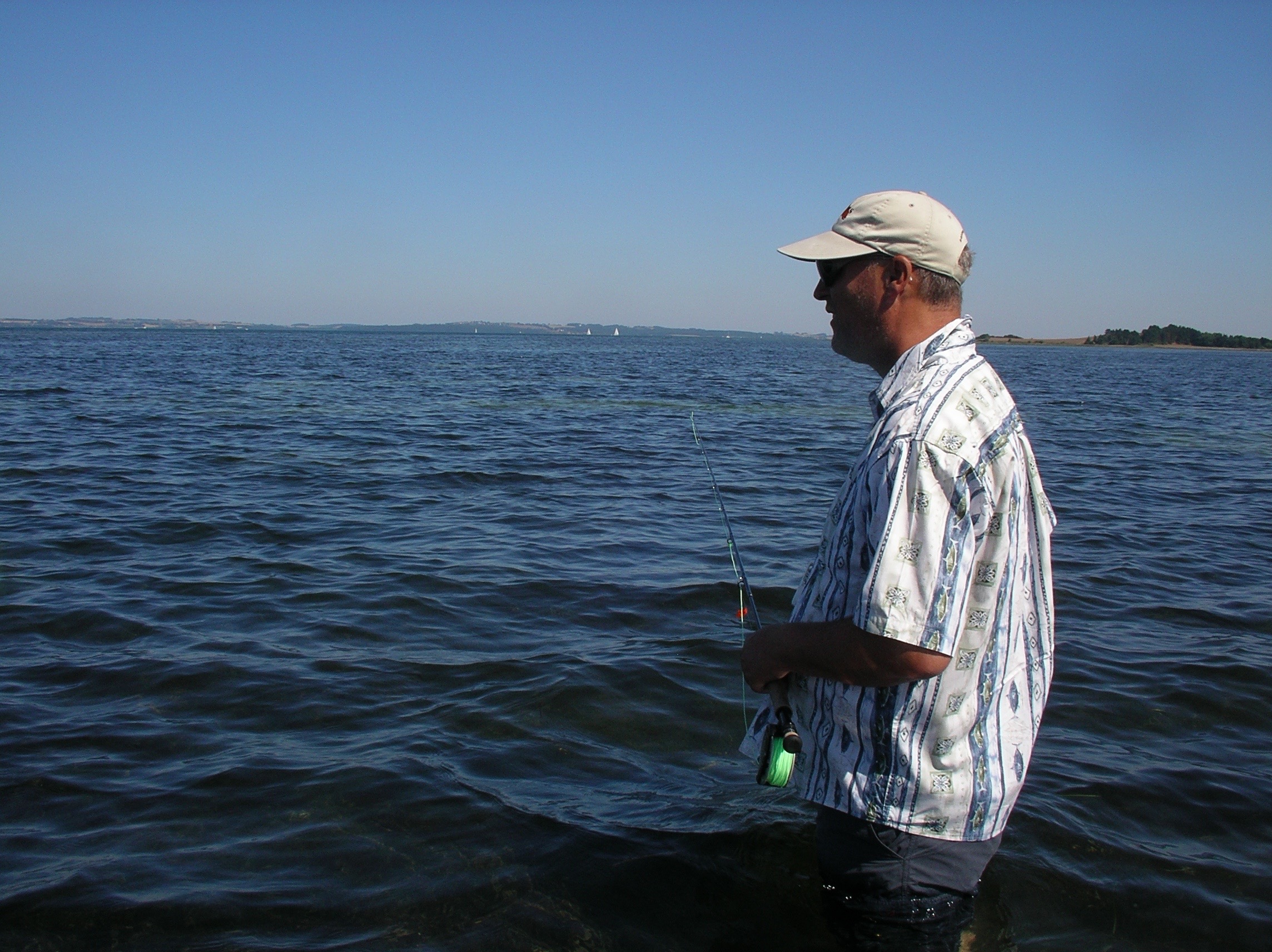
If you don’t like fishing through the dark, you may instead throw your line at the mullets that feed eagerly during the hours of daylight. These heat-loving fish may be caught on flies but it is a difficult game indeed. Better luck is usually had by those fishermen using bread as ground bait and small pieces of bread on a tiny hook below a small bobber.


Family fishing for flounder

All the flatfishes have now finished spawning and are eager to put back on the lost weight . Thus they are easier to catch than ever.

Easiest of all are probably those flounders living along the ship channels in the Bays of Mariager and Randers. Here the water is being exchanged constantly, assuring a fresh supply of water and plenty of food. Placid lug worms are the standard bait but if you can get them, biting Nereids are even better!

If you are fishing open waters with a sandy bottom, small but oh so tasty dabs will usually dominate your catch. If on the other hand you are looking for larger plaice, you should move towards deeper and cooler water. If you manage to find a light sandy spot on an otherwise dark bottom, chances are that you will catch good numbers of fair-sized plaice.

Or you may want to do battle with larger but rarer species like turbot and brill. Good places to look for these attractive fish are the gravelly shallows off Øer Maritime near Ebeltoft.


© 2023 Steen Ulnits

Angling in June


Salmon running the River Guden

June marks the beginning of silvery salmon leaving the salty ocean to migrate up the River Guden. These early fish are larger than average but fewer in numbers.

The lowermost part of the River Guden – near the city of Randers – has good numbers of salmon passing this part of the river on their way up. Here they are not fished seriously for as the river is wide and deep, showing very few evident holding spots for migratory fish.

For that reason most salmon are caught further upstream – near the city of Langå – where deep pools and narrow bends in the river offer good holding spots for these early running fish. Later in the season salmon and seatrout start showing up near the city of Bjerringbro where many fish spawn in the tributaries.

The lower part of the River Guden – below the hydroelectric power plant at Lake Tange – thus offers the visiting angler a really good chance of hooking up with salmon. And do bear in mind that in 2001 the River Guden entered the European Top Ten list of salmon rivers – with a rod catch close to 2.000 salmon!


Now the mayflies are hatching

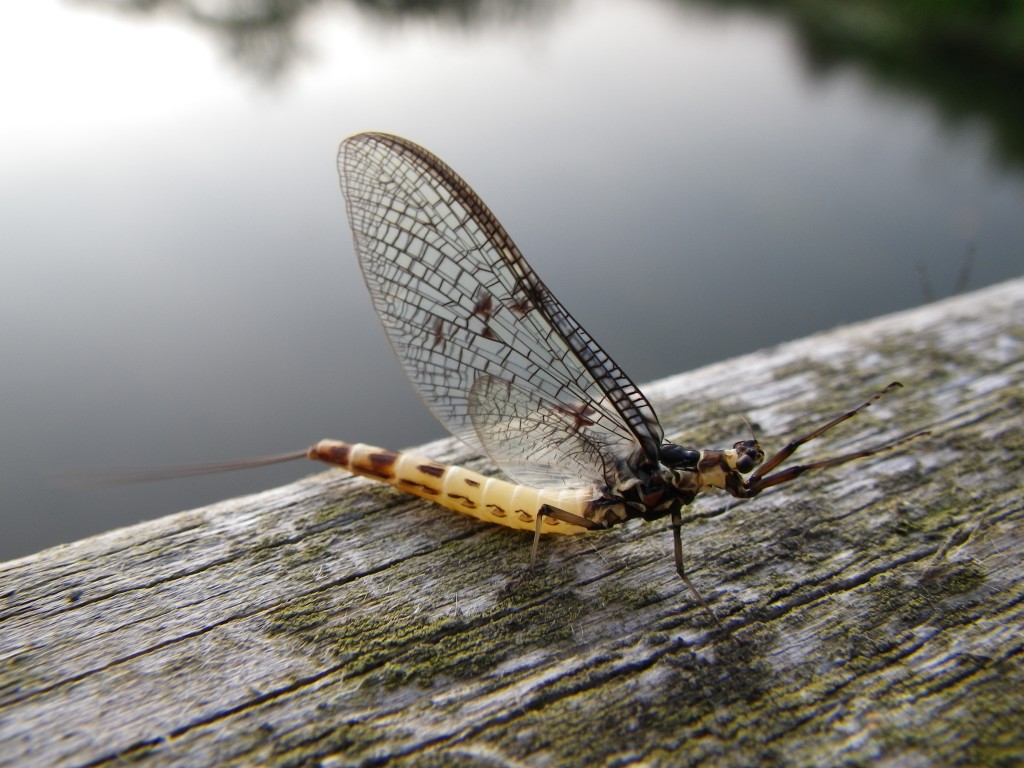
The present month is a hectic one for fish and fishermen in and along the rivers. June is the month where both the largest and the smallest of the mayflies hatch. This goes for the giant mayfly Ephemera danica – named after Denmark – and the tiny little Caënis species.

A characteristic trait of both trout and grayling is that they always seem to regard the first E. danicas with great scepticism. They simply are not used to seeing such big bites floating along on the surface and thus they are reluctant to rise to the first ones they see.

But when they become used to these giants they often take them in preference to anything else. This is the time where you may witness even large fish swim long distances to catch another danica!

And once accepted trout and grayling will be looking for these tidbits even after they have stopped hatching and mating. Fish obviously have a very good memory!

The upper part of the River Guden is a good bet for floating dry flies in June.


Pikeperch Premiere

If you like lakes and lake fishing, June is a perfect month. Especially if you are fishing in lakes with a stock of tasty pikeperch. They have just finished spawning in areas with shallow water and rocky bottom and are now hungry after the strenous sexual act. They are also legal prey again after the closed season in May.

For some time after spawning pikeperch typically hang around close to the spawning grounds. Here they are easy to locate and comparatively easy to catch. Later on they spread out in deeper water where they are much more difficult to locate.

Ry Mølle and Lake Jul are traditionally two of East-Jutland’s absolute hotspots when it comes to pikeperch fishing in June. At Ry Mølle fishing is for those pikeperch that have ascended the river to feed on spawning bleak – called “millinger” by the locals.

On Lake Jul itself fishing takes place on shallows like Torsdagsbanken, Frydengrund, Himmelbjerggrund and Møgelgrund.


Light nights on the beach

June is the month of light nights, and the light nights definitely belong to shoreline fish – be they silvery sea trout or thick-bellied cod. Both species usually stay in deeper water during the hours of daylight. But when the sun sets and beaches are covered in a soft semi-darkness, they move into shallow water for the kill!

On quiet evenings and nights you can both see and hear if fish are present. If so you will hear them splash in the surface layers of the water while they hunt. An experienced angler may even distinguish between sea trout and cod as the latter splash more distinctly.

If you prefer fishing during daylight, you may want to choose some of the garfish that fin around along the beaches. They have completed spawning and are now much easier to lure into striking than before the sexual act. They strike willingly at lures and flies before they leave the shallow water – to spend the rest of summer at greater depths.

With increasing water temperature fish start congregating at locations with strong currents. Kysing Næs, Vosnæs Pynt and all the classic hotspots on Djursland are now well worth a visit.


© 2023 Steen Ulnits

Angling in May


“Buzzer” time on the lakes

In May, millions of midges are hatched from the muddy lake bottoms. The worm-like larva is an extremely important food source for many of the lake fish, and the bream particularly is a true expert at hoovering the bottom of the lake for the red larva. When they hatch, the midges are known as “buzzers” due to the sound of their flapping wings. Luckily, they do not bite or sting”

It is funny that the foe of the gnat – the high-backed bream – also breeds in May. It then moves into the rushes and paddock pipes to spawn. Here it may meet the large pike who is on its way out after also spawning in the shallows of the lake.

For that very reason, May is the month of the traditional pike premiere – after the official closed season in April. However, this is a close season that is not very precise. For example, typically, deep lakes do not get warm enough for spawning until May ­ which is the start of the season.

Of course, the experienced pike fisherman knows this, and he puts back any roe-filled female pikes that might be tempted by a hook in early May. Usually, the small males are the first to appear in the shallow water. Not until the water temperature is exactly right do the large, roe-filled females appear.


Nighttime cod and seatrout

Along the coast, both small and large animals are very active in May. For instance, the shallow water along the coast is full of small fish, fry and various crustaceans. The fish know this, and at this time of the year they prefer to visit the coast during the dark hours – which do not, by the way, get very dark during the light northern nights.

The sea trout is very fond of the nighttime and has a keen eyesight to deal with darkness. On warm and sunnt days of May it usually stays in deeper and colder water during the day, only to enter the food-rich shallows after sunset. Here it hunts during the night, looking upwards to see its prey silhouetted against the lighter sky.

In several places, it will be possible to hear the first cod come “chomping” towards the coast at the surface. If there is a little current, it will often be possible to see them swimming so high that their dorsal fins are visible. You may then experience some very exciting visual fishing – despite it being pretty dark.

If you are a fly fisherman, you should tie on a large black fly like a Muddler and fish it high in the water. Often, a fly streaming in the surface will provoke heavy strikes!


Daytime garfish in the shallows

If the light nights in May belong to the sea trout and cod, the long-billed garfish have usually taken possession of the coastal waters during daylight hours.

The first ones are always the biggest – in the best cases a metre long, as thick as a wrist and weighing over a kilo. They come as a vanguard and go wildly for any jig or fly. Later, the smaller but considerably more numerous medium-sized garfish will arrive – followed by the smallest fish, usually half a metre long, sometime in early summer.

They only come to spawn and, having come so far, they have completely lost interest in food. Under favourable conditions it will be possible to see them spawn as they are often so absorbed in their breeding that one can get quite close and witness the spectacle.

After spawning they are hungry and easy to catch. Most productive are thin slices of herring fished on a light float but most fishermen stick to long, slim and shiny spoons like the Toby, Tobis and similar lures. Finally, the fly fishermed is in for a good time with his small flies fished on long and thin leaders.


Month of the blackflies

May is one of the big months for fly fishermen who are fond of the constantly flowing water in the river. After a cold spring, the insect life there almost explodes, and the river is alive with the sound of various water insects.

The mayflies are certainly still there – as they were last month, albeit less numerous. But in May, it is often the very small black flies that dominate.

The hatching may be so massive that the water can be completely covered in newly hatched flies. Fly fishermen then talk about a “blanket hatch”.With so many flies on the water, it is obvious that the fish are more active than ever and constantly targeting the little black ones.

The grayling is also very fond of the black flies, and they are in the process of finishing their breeding towards the end of May. At least that is what the law says, since the close season runs from the middle of March until the middle of May.

Thus May belongs to the fly fisherman who has a good stock of tiny black dry flies size 18-24 in his box. And delicate tackle with hairthin tippets to handle flies and fish!


© 2023 Steen Ulnits

Angling in April


Trout and grayling – feeding and spawning

Permanent inhabitants of the rivers in East Jutland are in for a busy time in April. Grayling which are found in the upper reaches of the River Guden are on the spawning grounds from mid-March all through April and into mid-May where they are protected from fishing.

Due to excessive pressure from cormorants, Danish grayling are now protected all year – with the hope that stocks will recover.

Brown trout on the other hand are very busy gorging themselves on the increasing number of hatching insects. They have spawned during the cold winter months and are now eager to put back on the weight they lost during spawning. Thus they become an ideal target for the fisherman – especially the one who prefers the long fly rod with tiny nymphs and dry flies.

The first May flies of the year – the fly-fishermans “Large Dark Olives” and the Baëtis rhodanis of the entomologist – typically hatch out on warm days in April. This becomes the first surface meal of the year for the trout and grayling of the river – the latter now spawning and consequently preserved.

So now is the time to get the first dry flies out of the fly box. Old standbys that have been there for years, and which may have been given a touch-up over a steaming kettle in the kitchen. Or completely fresh ones that were tied during the long winter evenings. Flies that have fed the imagination of the dry fly angler, who by now has had to live without the river for months.


Lakes warming and waking up

April marks the spawning of pike which have a closed sesaon during the whole of April. If you catch a pike heavy with roe or milt, it has to be put back immediately so that it may spawn and contribute to the future of its species.

April is also the month when perch, heavy with roe, arrive at the spawning grounds. Here they spawn in long chains on the water plants, which will later provide good protection to the young, unless the tenant of the lake wants to thin out the stock. If so, he may have thrown a number of rice vases or old Christmas trees into the water and anchored them there.

The lake perch finds such artificial spawning grounds absolutely enticing and will immediately spawn there – almost to order – with the desired result that the tenant of the lake can then pull the roe-covered rice vases or Christmas trees out of the water again.

Lake fishermen now are consequently on the wait for a new season to start – in May!


Peak season for salty sea trout

Along the coast, the silvery sea trout is truly in its element. Those that were breeding in winter are gradually regaining their lost weight. At any rate, the water temperature is now so high that the fish can hunt actively all day. And the water is now full of all kinds of small fry, crustaceans and bristle worms.

And the sea trout that have spent the winter in the rivers or the brackish fjords can now move out to more open and salty water. Here in April there is a massive movement of sea trout from many closed fjord areas to the open coastal areas, where the fish will later spread out all through the summer.

Out here on the open coast they can stuff themselves with the shoals of sand eel, sprat and herring. In no time they can grow much bigger than they would have been able to do in the fjords, where the majority of the feed is made up of sticklebacks, gobies, shrimps and sand-hoppers.

In April you will meet feeding sea trout all along the shores of East Jutland – be in in the Bay of Mariager, Bay of Randers, Djursland, Bay of Aarhus and down south in the Bay of Horsens. Sea trout will be everywhere this month!


Coastal cod and game garfish

The long-billed garfish typically arrives towards the end of April. The first ones are always the biggest – about a metre long and as thick as a wrist before the breeding that will really do something to the weight they gained during their winter stay in the North Sea.

The first catches are usually reported from the island of Læsø, after which the fish will spread throughout the Danish waters and soon after reach the shores of East Jutland. Here they will spread out over the weedy shallows where they will spawn later on as the water gets warmer.

Thick-bellied cod also shown up along the shores of East Jutland. The coastal waters now have a temperature that really suits the cod and it can be seen very close to the shore, where it hunts for its favourite food – crunchy crabs. The best time for spotting it is the hours just before and just after sunset.


© 2023 Steen Ulnits

Angling in March


Cold sea trout in warming waters

Along the coasts, lots of things are happening in March. The air temperature is still a little lower than that of the water – typically 2-3 degrees – but the sun is starting to make an impact, and that is clearly felt under the water.

The sand hoppers are waking up and starting to mate. Now is the time when it is possible to see the little males riding around on the big females in the shallow water. The survival of the species is at stake, and this does not go off quietly ­-not even among sand hoppers.

The sea trout along the coast are also fond of sand hoppers – and they do not care about the sex. Sand hoppers are a delicacy for any sea trout – and sand hoppers make their flesh nice and red. So the angler who goes fly-fishing along the coast had better have some good imitations in his box – and fish deeply and slowly.


Bristle worms hatching out

March is also the month when it is possible to experience a major bristle worm party. Typically this happens in conjunction with the full moon or new moon, which seems to coordinate the swarming of large bristle worms.

When the water temperature and phase of the moon are in harmony, the otherwise quite fierce Nereis-species leave their holes on the bottom to go to the surface to spawn. Here they circle around until they explode in a giant orgasm that releases the reproductive organisms – and leaves the bristle worms themselves as lifeless bodies.

The birds and fish of the coast really know how to seize the opportunity when the bristle worms are spawning. It is quite simply the first big meal of the spring to be had here – a kind of strawberry season for the birds and fish which have had to languish in the cold all through the winter.

This spawning may be so intense and concentrated that sometimes the authorities get phone calls from worried people who think that they have witnessed yet another environmental disaster!


Brown trout, rainbow trout and grayling

The regular inhabitants of the river – river trout, rainbow trout and grayling – who are very dependent on the amount of feed in the river, feel both good and bad here in March. Like its cousin the sea trout, the river trout is a winter spawner, and it is lean and slender after breeding.

The rainbow trout typically spawns in the spring, however, and is usually in the best possible condition – albeit strongly coloured, and therefore not quite as delicious as otherwise. But the red stripe along the side is brighter than ever! The rainbow trout has been truly stuffing itself with roe from the spawning of river and sea trout, and they are more than ready for the approaching breeding.

The grayling, too, is at the top of its form. It does not change character to the same extent in the period preceding spawning, which typically takes place from the end of March until the beginning of May. The grayling is protected from 15 March until 15 May, and is thus legal prey in the first half of this month.

On warm spring days of March you may experience the first mayflies of the year hatching on the surface. With a little luck you will also see the odd trout or grayling rising to take it. If so, bring out the dry flies and prepare for some exciting fishing. If no surface activity is present, stick to the spinning rod or a sinking fly line.


“Greenlanders” and kelts

Finally, March is the month when the “old” trout premiere in the rivers takes place. There are still many river-anglers who regard this as the only true start of the season.

But whether it is the true, or the wrong start of the season, two things are certain: there are rarely as many shiny “Greenlanders” – overwintering and immature sea trout – in the rivers in March as in January, and the lean kelts are usually in slightly better condition than earlier in the year. Which is both good and bad.

However, the fly-fisherman who wants to make contact with these fish will have to use a sink line or weighted flies to get down into the still rather cold water. The spin-fisherman is in for an easier time. For him it is no problem getting down deep with his spinners, spoons and wobblers.

And should you find that your catch is still too lean to be of any use in the kitchen, you always have the option of putting your fish back unharmed – to grow and put on the weight it lost while spawning.


© 2023 Steen Ulnits

Angling in February


Spawning cod in freshwater

Freshwater cod are found in many of the larger and deeper lakes of the Jutland Lake District near Silkeborg. This exotic fish is the only species of codfish living in freshwater, its close relationship to saltwater cod being shown by the barb under its mouth.

As a true codfish the freshwater cod likes cold water when it comes to spawning. It spawns when winter peaks and water temperature is at its lowest. Which is often the case at the beginning of February. Under the right conditions the freshwater cod of the lakes gather in groups that spawn together.

Occasionally February has lakes covered with ice but not so every year. Only a few days in a normal winter offer ice thick enough to carry a grown man and his fishing gear. Sadly as ice fishing for freshwater cod can be very exiting and different from all other angling methods. Luckily, you will do as well fishing from a boat in case there is no ice.

Freshwater cod are nocturnal creatures – even in the midst of winter. This means that you should not waste your time fishing for them in daylight. Instead you should be fishing the dark hours of the day – with juicy bait on your hook. An icy experience which can be had on many of the lakes around Silkeborg that hold good stocks of this very tasty albeit to many ugly-looking fish.


Spawning cod in saltwater

Mature cod now gather to spawn in the midst of winter. The spawning itself is kind of a “bunch-wedding” where many fish spawn together though they do find a specific partner to spawn with.

Cod are normally associated with the bottom but quite often cod move upwards to feed in pelagic waters where schools of herring and sprat make up the menu. Such cod loose their dark coloration and turn lighter. But when spawning, cod always stick to the bottom and on the screen of a fishfinder you will see them as distinctive “bumps”.

These “bumps” are often incredibly dense and limited to but a few square feet of the bottom. This means that it takes an attentive captain to detect them – and an equally attentive angler to catch them!

Despite the fact that cod fishing has been down over the last few years – due to large trawlers vaccuum-cleaning the fishing grounds – the shallows around Sletterhage and Djursland still offer decent opportunities of hooking up with pot-bellied cod.


Saltwater seatrout on a budget

In mild winters sea trout may be caught in saltwater all winter long. Especially if you concentrate on the brackish bays where freshwater tributaries reduce the salinity and thus provide the sea trout with better conditions for living.

Fish are usually somewhat slow this time of year, their metabolism being down in the cold water. Feeding periods typically are short but intense in the midst of winter. Usually you stand a better chance of success if you choose your bait so that you may fish it slowly through the water. This gives the fish more time to detect it and make up their minds. Strong or even fluorescent colours typically add to your chances of hooking up.

This means that colourful flies can be used to advantage. But it doesn’t necessarily mean that you have to be a fly fisherman to reap the benefits of flyfishing. If you are a spin fisherman you can use a water-filled float with a trailing fly and fish it as slowly as conditions dictate. Few sea trout can resist such a presentation.

Amongst the wintery hotspots of East Jutland are the Bay of Mariager to the north plus the Bay of Kalø in the northern part of of the much larger Bay of Århus. Further down south you will find good spots in the Bay of Horsens. Typical spots have shallow water and freshwater tributaries nearby. Make sure that you respect the 500 m protection zones around these outlets.


New season in progress

January 16 marked the beginning of a new angling season in the rivers of East Jutland. Depending on the prevailing climatic conditions, Opening Day may be mild and wet with plenty of muddy water in the rivers. Or icy cold with snow on the banks and clear water running low. You never know.

Despite the unpredictable conditions on Opening Day, good numbers of sea trout are usually caught in the the lower River Guden and the Channels of Kolindsund on Djursland. Mostly spawned-out fish in surprisingly good condition but often also good numbers of smaller, immature and silvery “greenlanders” in prime condition.

Most are caught on bait – the good old “Earth Fly” reigning supreme – but plenty of fish are also caught spinning or even flyfishing. No matter what bait you choose, it should be fished deep and slow. For the flyfisherman this means sinking lines or at the very least: sinking leaders where rivers are not too deep. Flashy lures and flies are necessary if they are to be seen by the fish in the deep and murky water.


© 2023 Steen Ulnits

Angling in January


Slow seatrout in saltwater

In mild winters sea trout may be caught in saltwater all winter long. Especially if you concentrate on the brackish bays where freshwater tributaries reduce the salinity and thus provide the sea trout with better conditions for living.

Fish are usually somewhat slow this time of year, their metabolism being down in the cold water. Feeding periods typically are short but intense in the midst of winter. Usually you stand a better chance of success if you choose your bait so that you may fish it slowly through the water. This gives the fish more time to detect it and make up their minds. Strong or even fluorescent colours typically add to your chances of hooking up.

This means that colourful flies can be used to advantage. But it doesn’t necessarily mean that you have to be a fly fisherman to reap the benefits of flyfishing. If you are a spin fisherman you can use a water-filled float with a trailing fly and fish it as slowly as conditions dictate. Few sea trout can resist such a presentation.

Amongst the hotspots of East Jutland are the Bay of Mariager to the north plus the Bay of Kalø in the northern part of of the much larger Bay of Århus. Further down south you will find good spots in the Bay of Horsens. Typical spots have shallow water and freshwater tributaries nearby. Make sure that you respect the 500 m protection zones around these outlets.


Cold and wet Opening Day

January 16 marks the beginning of a new angling season in the rivers of East Jutland. Depending on the prevailing climatic conditions, Opening Day may be mild and wet with plenty of muddy water in the rivers. Or icy cold with snow on the banks and clear water running low. You never know.

Despite the unpredictable conditions on Opening Day, good numbers of sea trout are usually caught in the the lower River Guden and the Channels of Kolindsund on Djursland. Mostly spawned-out fish in surprisingly good condition but often also good numbers of smaller, immature and silvery “greenlanders” in prime condition.

Most are caught on bait – the good old “Earth Fly” reigning supreme – but plenty of fish are also caught spinning or even flyfishing. No matter what bait you choose, it should be fished deep and slow.

For the flyfisherman this means sinking lines or at the very least: sinking leaders where rivers are not too deep. Flashy lures and flies are necessary if they are to be seen by the fish in the deep and murky water.


Cod in spawning mood

Freshwater cod are found in many of the larger and deeper lakes of the Jutland Lake District near Silkeborg. This exotic fish is the only species of codfish living in freshwater, its close relationship to saltwater cod being shown by the barb under its mouth.

As a true codfish the freshwater cod likes cold water when it comes to spawning. It spawns when winter peaks and water temperature is at its lowest. Which is usually the case at the end of January. Under the right conditions the freshwater cod of the lakes gather in groups that spawn together.

Occasionally January has lakes covered with ice but not so every year. Only a few days in a normal winter offer ice thick enough to carry a grown man and his fishing gear. Sadly as ice fishing for freshwater cod can be very exiting and different from all other angling methods. Luckily, you will do as well fishing from a boat in case there is no ice.

Freshwater cod are nocturnal creatures – even in the midst of winter. This means that you should not waste your time fishing for them in daylight. Instead you should be fishing the dark hours of the day – with juicy bait on your hook.

An icy experience which can be had on many of the lakes around Silkeborg that hold good stocks of this very tasty albeit to many ugly-looking fish.


© 2023 Steen Ulnits

Indholdsfortegnelse (GG)

SU logo

Grej & Gadgets

Med 1.000+ artikler og langt over 3.000 notitser at vælge imellem på ulnits.dk, kan det hele godt blive lidt uoverskueligt. Man kan naturligvis altid bruge søgefeltet øverst oppe til højre på siden, men hvad nu hvis man ikke lige ved, hvad man skal søge efter – hvad der findes af tilgængeligt på siden?

Jeg har funderet lidt over tingene og er nået frem til en løsning, der gerne skulle gøre det hele lidt mere overskueligt. Hver af de store hovedkategorier vil i den forbindelse altid have en artikel allerøverst, hvoraf fremgår hvilke underkategorier der kan søges i, og hvilke artikler disse indeholder.

Under “Grej” drejer det sig i første omgang om underkategorien “Elektronik”, der de seneste år er kommet til at fylde mere og mere. Dette på grund af de uundværlige smartphones og smartwatches, der i stigende grad har vist sig nyttige for såvel lystfiskere som lystsejlere. Vi har jo i de allerseneste år oplevet smartphones, hvis indbyggede kameraer gør dem til seriøse alternativer til “rigtige” kameraer.

Alle andre grej-relaterede emner finder du stadig under hovedkategorien “Grej”, hvor nedenstående også er listet – i den kronologiske rækkefølge, de er tilføjet. Jeg kan desværre ikke garantere, at denne katalogisering er fuldstændig eller altid vil være opdateret. Men jeg lover at gøre mit bedste!

NB: Bemærk, at der er mange, mange flere artikler på www.ulnits.dk, end du umiddelbart kan se af oversigterne. Ældre end de her viste, som er de nyeste. Skulle alle 1.000+ artikler listes, ville det hele blive totalt uoverskueligt.

Brug altid søgefuntionen i øverste højre hjørne, hvis du leder efter noget bestemt.


* Smartphones og smartwatches:


* Kameraer til naturfoto og UV:


* Elektronik til bådfiskeri:


* Testsejlads af både og udstyr:


Bemærk igen, at der er rigtig mange flere artikler end de her listede. Det er blot de senest publicerede.

Skulle alle de godt 1.000+ artikler på www.ulnits.dk listes individuelt, ville det hele blive totalt uoverskueligt.

Søg derfor – og du skal finde!

© 2020 Steen Ulnits

Put & Take jagt og fiskeri


Så står jægernes skydefugle igen for skud. Bogstavelig talt. Nu begynder nemlig en femårig udfasning af de mange tusinde opdrættede gråænder, som forurener søer og vandhuller landet over.

Det har de gjort i snart mange år. Værst efter Esben Lunde Larsens massive øgning af det maksimalt tilladte antal opdrættede og udsatte skydefugle i 2017.

Next in Line er vor egen pendant hertil, nemlig fiskene i landets mange Put & Take søer. De holder heller ikke til et nærmere miljøgennemsyn.

På mange måder ligner vi jægere og lystfiskere således hinanden. Vi lever af og for at slå dyr ihjel henholdsvis over og under vandoverfladen. Oprindeligt for at spise dem. I dag ofte blot for fornøjelsens skyld.

Der findes desværre eksempler på, at nedlagte fasaner efter store godsjagter blot er blevet bulldozet ned i friske massegrave. Ingen ville købe dem eller have dem, endsige spise de mange fugle med tørt kød og hårde hagl i.

Skydefuglenes eneste opgave her i livet var således at tilfredsstille de pågældende jægeres iboende trang til at slå dyr ihjel.

Forskellen på jagt og fiskeri er dog, at man som lystfisker har mulighed for ikke nødvendigvis at aflive sit bytte. Man kan nemlig vælge at genudsætte fangede fisk, så de kan leve videre og vokse sig større. 

Forhåbentlig da. For ikke alle overlever turen på land. Og nogle vil beskylde os for decideret dyrplageri, når vi på den måde leger med eksempelvis værdifulde gydefisk. 

Flere steder er genudsætning dog en simpel nødvendighed, hvis der også fremover skal være fisk at fange – og fisk på gydepladserne. Fiskene fanges da flere gange uden at blive aflivet.

Man kan også opdrætte og udsætte yngel og ungfisk, som så selv kan vokse sig fangststore på naturlig vis. Ude i den fri natur. Det er den såkaldte bestandsophjælpning, der i hvert fald delvis finansieres af den statslige fiskepleje via det obligatoriske fisketegn.

Mulighed for genbrug og genudsætning har jægerne i sagens natur ikke. Her gælder det om af aflive byttet så effektivt og hurtigt som muligt. Ingen smertefulde anskydninger eller kilometerlange blodspor, som giver et dårligt indtryk i den ikke-jagende del af befolkningen.


Jægere og fiskere i samme båd

Både jægere og lystfiskere har imidlertid det samme problem: Der er simpelthen for lidt at nedskyde eller fiske efter i den hårdt trængte danske natur. For få naturlige levesteder for dyr og fisk, der på nogle lokaliteter allerede er udryddet. 

Var det ikke lige for de konstante og massive udsætninger af fugle og fisk, som trods alt skaber lidt kunstigt liv at efterstræbe til lands og til vands. Når nu det naturlige miljø er ødelagt af landbrug og industri og den naturlige fauna derfor reduceret eller sågar elimineret.

Det er kostbare udsætninger, som desværre får nogle jægere til at efterstræbe såvel ulve som havørne. Jægerne ser dem som konkurrenter, der tolder på såvel indhegnede husdyr som dyrt opdrættede skydefugle. Ikke som en naturlig eller nødvendig del af naturen.

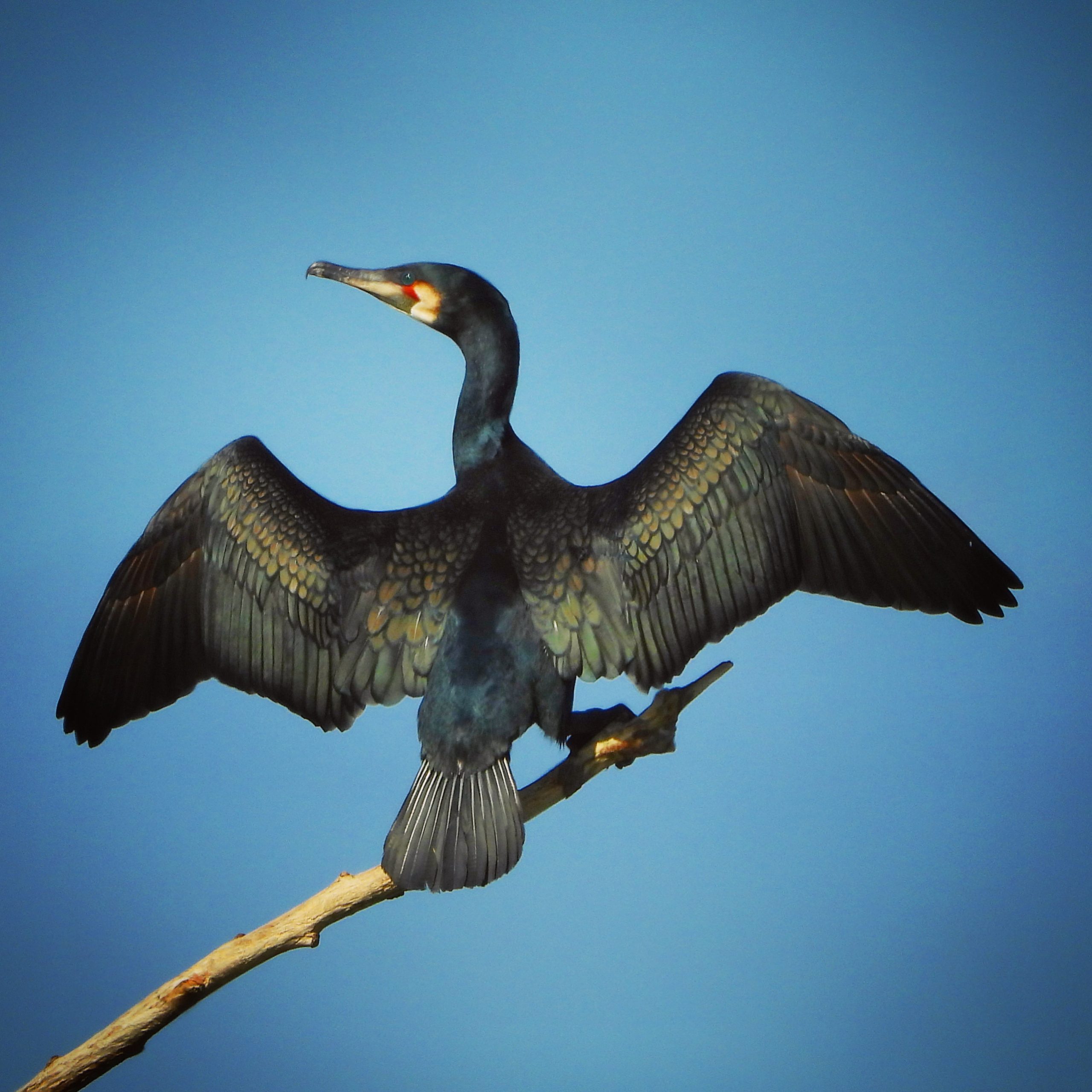
På samme måde ser lystfiskerne landets mange tusinde sultne skarver som en uønsket konkurrent, når skarverne æder i tusindvis af dyrt opdrættede og udsatte ungfisk af laks og ørred.

Uden disse massive udsætninger af fisk og fugle ville der næppe være noget tilbage at fiske efter eller drive jagt på i den danske natur, der kun de færreste steder stadig kan kaldes natur.

Og dermed ville der ingen indtægter være til de lodsejere, som jo disponerer over fiskeret og jagtret.


* Sorte gråænder

Tilbage i 2017, da Esben Lunde Larsen (V) stadig var fødevareminister, herskede der en ophedet debat om udsatte “skydefugle”. 

Esben Lunde Larsen ville gerne begunstige sine vælgere i landbruget ved at tillade udsætning af langt flere “skydefugle” end hidtil tilladt. Det ville nemlig give lodsejeren, godsejeren og landmanden med jagtretten tilsvarende større indtægter. Solid landmandstænkning og gedigen købmandsregning.

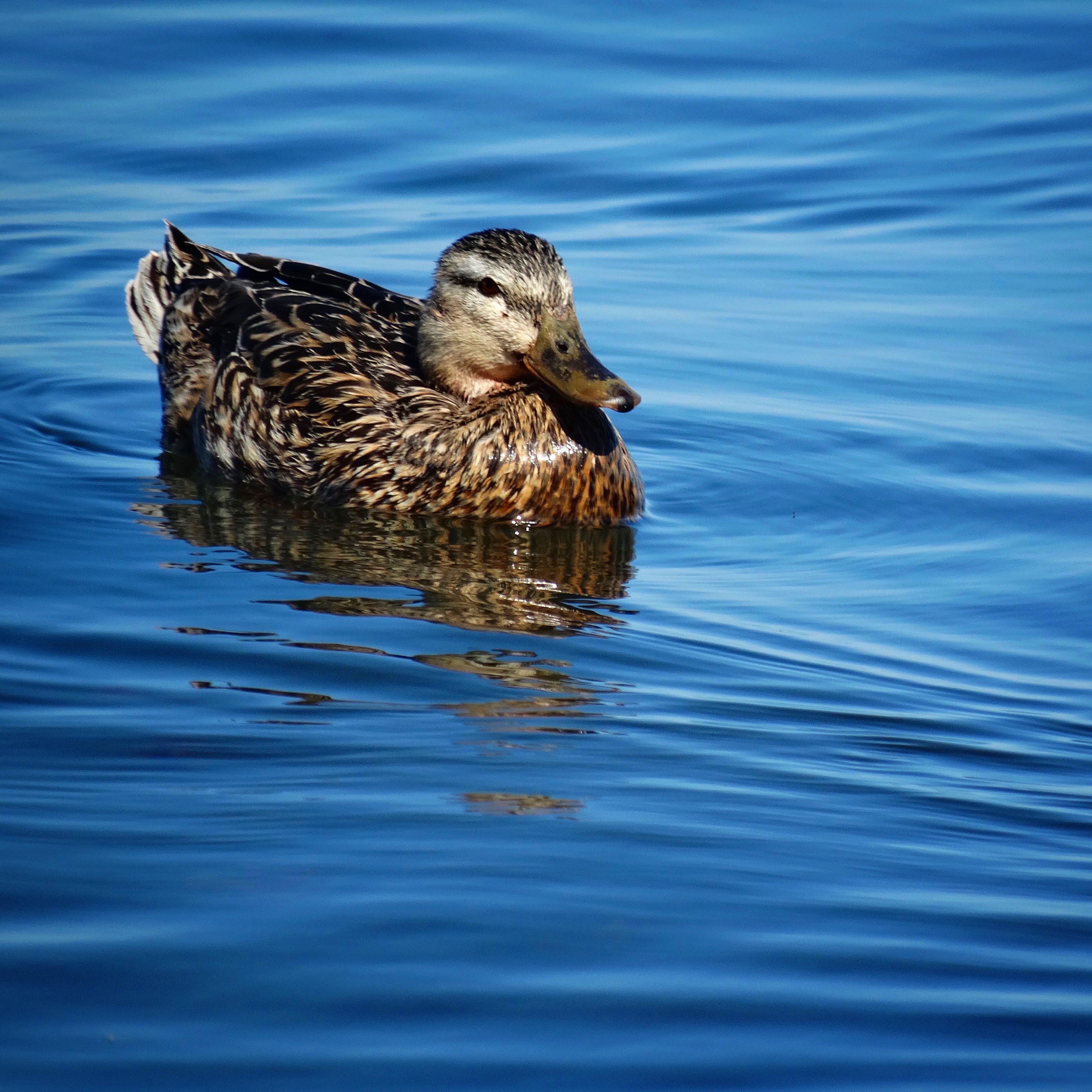
“Skydefugle” er det lidet flatterende, men ganske rammende (!) ord for især fasaner og gråænder, der opdrættes og udsættes i tusindvis – blot for at blive skudt ned igen. Hurtigst muligt, så de unaturligt mange fugle belaster området og dets naturlige fødeemner mindst muligt.

Jægerne har opdrættet og udsat agerhøns, fasaner og gråænder i rigtig mange år. Til ophjælpning af de svindende naturligt bestande. Og for overhovedet at have noget eller nok at skyde efter, når nu det naturlige miljø var afviklet til fordel for korn, majs og raps.

Det er en aktivitet, som desværre har taget overhånd de seneste år, hvor den danske natur eller rettere: resterne af den er mere forarmet end nogensinde.

De gamle beskyttende markhegn er mange steder fjernet for at give plads til gigantiske gyllevogne, som ellers ikke kan komme til eller fra markerne med deres last af giftig gylle.


Degradering af jagten

Med de massive udsætninger af fasaner og gråænder er jagten således blevet reduceret til samme stade som lystfiskernes Put & Take fiskeri efter udsatte regnbueørreder. Blot er der mange flere penge i jagten – til jagtleje og køb af jagtvåben.

Helt galt er det således gået med udsætningerne af gråænder i vandhuller og småsøer landet over. Aarhus Universitet (AU) undersøgte sagen tilbage i 2019 og kunne da konstatere, at jægerne havde indberettet 60.000 udsatte gråænder til Miljøstyrelsen.

Men gik AU til Centralt Husdyrbrugs Register (CHR), hvor alle opdrættede dyr i Danmark skal registreres, kunne man se, at der hvert år opdrættes 350.000 gråællinger til udsætning. Ikke så lidt af en diskrepans, der lugtede af svindel og sorte gråænder. Næsten seks gange så mange.


* Udfasning af udsætning

Efter Aarhus Universitets afsløring af, at danske jægere kun havde indberettet godt en sjettedel af de gråænder, man reelt havde opdrættet, blussede debatten om det rimelige i at udsætte så mange skydefugle – i form af et sekscifret antal opdrættede gråænder – uundgåeligt op igen.

Der kom også fornyet fokus på den massive skade, som udsætning af 350.000 gråænder havde og har på søer og damme i det ganske danske land. De mange gråænder skider helt enkelt de ofte ganske små vandhuller ihjel, som bruges til udsætningerne.

Problemet forværres af, at jægerne fodrer massivt, så fuglene ikke flyver til andre(s) og grønnere græsgange, inden de selv når at skyde dem ned igen. 

Jægerne har jo betalt i dyre domme for at opdrætte dem til udsætning og efterfølgende nedskydning. Og ser derfor helst ikke, at ænderne flyver til andre vandhuller i nabolaget og lader sig skyde ned dér.

Fodring lig forurening

Den massive fodring resulterer i en helt unaturligt stor forurening og voldsom forarmning af vandmiljøet i de mange andedamme, hvor vandet bliver uklart, iltfrit og ligner algesuppe. Fordi det er.

Den udvikling har mange grønne organisationer længe været grundigt utilfredse med. Det gælder Danmarks Naturfredningsforening, Dansk Ornitologisk Forening, Dyrenes Beskyttelse og Friluftsraadet.

De mener alle, at andejagt som udgangspunkt bør baseres på den naturlige bestand af gråænder. Hvilket lyder godt og rigtigt, men desværre er aldeles urealistisk eller i bedste fald ren ønsketænkning. Hvis der ellers skal være økonomi i udlejning af jagtretten. 

De samme organisationer frygter også, at udsatte gråænder kan være årsag til genetisk forurening af den vilde bestand, hvor en sådan stadig måtte eksistere.
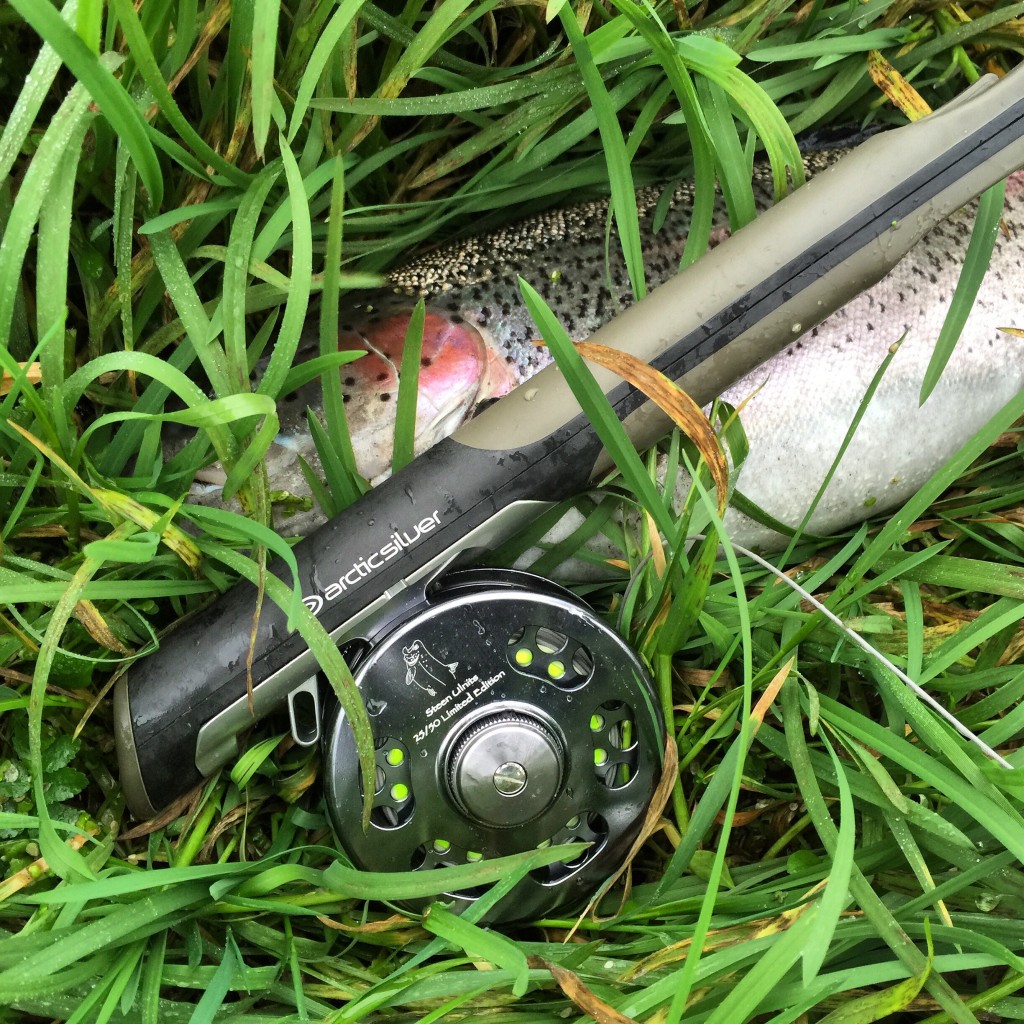


Præcis den samme problemstilling har vi med opdræt af laksefisk til bestandsophjælpning. Her har vi dog allerede taget fiskegenetikerne med på råd og opdrætter i dag selektivt på lokale stammer – af samme art. Det samme kan man kun vanskeligt gøre med gråænder.

Endelig påpeger ovennævnte organisationer den massive forurening af vandhuller og søer med ikke mindst fosfor fra fodring af de mange tusinde ænder og deres uundgåelige efterladenskaber.

Det eksisterende udsætningsforlig fra 2017 og Esben Lunde Larsen har netop været på bordet igen, og denne gang er man enedes om at udfase de på mange måder miljøbelastende udsætninger af gråænder i vandhuller. 

Udfasningen skal ske over de næste fem år, så opdrættere og jagtudlejere kan nå at vænne sig til den nye virkelighed. Og den nye økonomi.


* Forurening fra Put & Take fiskerier

Inden vi nu kommer alt for godt i gang med at kritisere jægernes hundredtusinder af opdrættede skydefugle, så bør vi nok gribe lidt i egen barm først.

Opdræt af yngel og ungfisk til bestandsophjælpning og som støtteudsætninger foregår naturligvis i ferske dambrug, hvilket resulterer i en vis omend begrænset forurening, vi nok kan se bort fra i en større sammenhæng.

Langt værre er det med Danmarks flere hundrede Put & Take vande, hvortil løbende produceres store mængder fangstklare fisk til udsætning. Vort svar på jægernes skydefugle. 

Vi lystfiskere kan dog dække os ind under, at udsatte fisk kun undtagelsesvis fodres i deres korte “frie” liv efter udsætning. Mange når ikke at tage naturlig føde til sig, inden de gaber over en krog og havner på land igen. Til glæde for de øvrige dyreliv, der måtte være i Put & Take vandet.

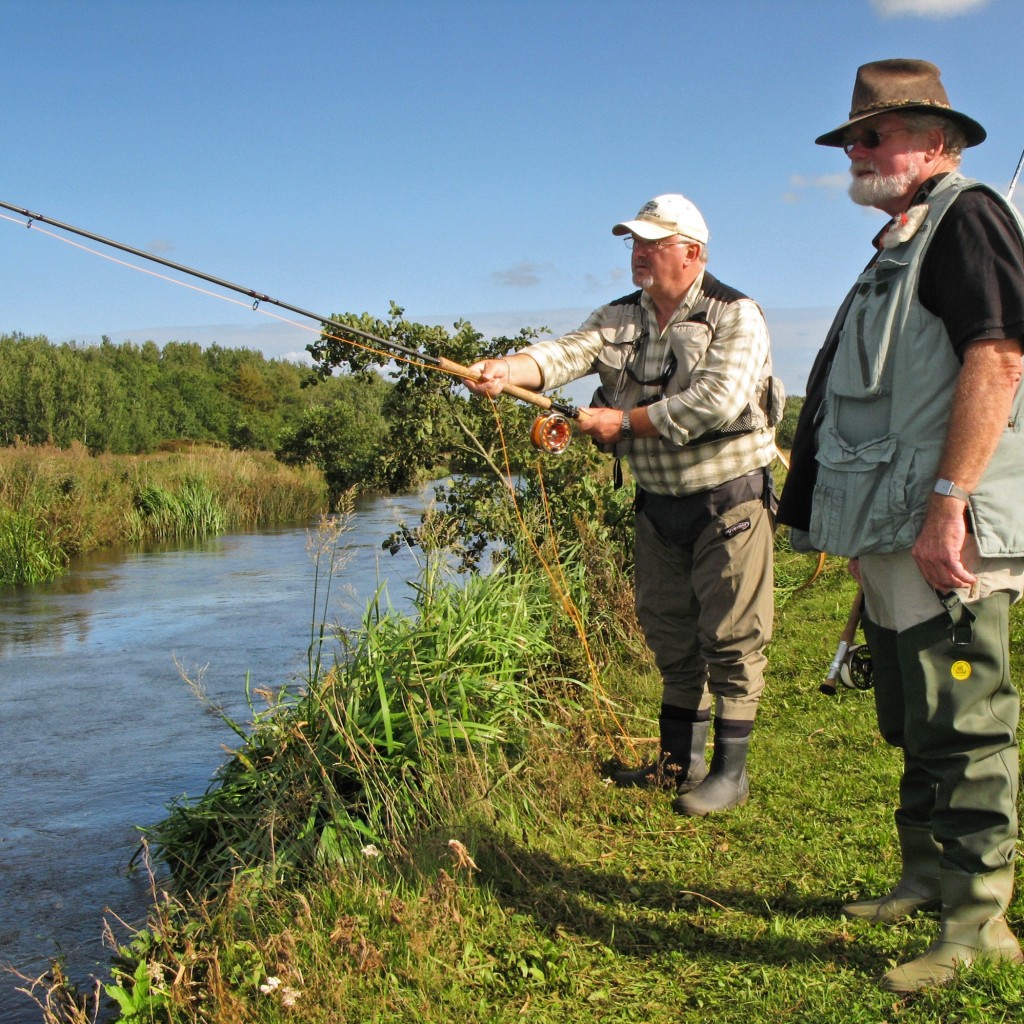
Langt værre er det imidlertid, at store regnbueørreder opdrættet til udsætning i Put & Take vande påfører vandmiljøet en stor belastning. De allerfleste stammer nemlig fra havbrug, hvor fiskene vokser op i åbne netbure uden den mindste mulighed for vandrensning.

Der er tale om totalforurening af havmiljøet. Alt spildevand fra foder og fisk ryger lukt ud i vandmiljøet – med samt anvendt antibiotika og giftige hjælpestoffer som kobber.


Fra havbrug til Put & Take

Det er en problematik, vi lystfiskere bliver nødt til at forholde os til fremover. Hvis vi skal kunne se omverdenen i øjnene, når vi selv kæmper for rent vand og sunde fiskebestande.

– For hvordan kan vi på samme tid massivt støtte et storforurenende fiskeopdræt, der leverer i tonsvis af store ørreder til vort Put & Take fiskeri?

Problemet kompliceres yderligere af, at landets grejbutikker næppe ville sælge ret meget fiskegrej, hvis ikke der var Put & Take vande at fiske i. Vande, hvor der rent faktisk er fisk at fange. Stik modsat de naturlige åer, søer og fjorde, hvor der i dag næppe er naturlige bestande tilbage, som tåler fiskeri.

Én løsning kunne være kun at opdrætte fisk til Put & Take i recirkulerede anlæg på land. Anlæg, hvor man kan rense vandet og dermed sikre en minimal forurening af vandmiljøet. Flere Put & Take vande kunne slå sig sammen i produktionskooperativer, som franske vinbønder har gjort det i årevis.

En anden løsning kunne være, at de enkelte Put & Take vande producerer deres egne fisk selv, hvor det er lovligt eller fysisk muligt. Det gør man allerede mange steder i udlandet. Som en sund måde at sikre sig udsætningsfisk af høj kvalitet. Og for at undgå haleløse monstre.

Vi har næppe sorte gråænder i vort Put & Take fiskeri. Men vi ved, at vi har sorte regnbueørreder. Blot ikke hvor mange. I skrivende stund pågår der undersøgelser af, hvor mange tons regnbueørreder der årligt produceres til og udsættes i danske Put & Take vande. Og hvilken forurening disse påfører vandmiljøet.


Put & Take fiskeriets skjulte og utilsigtede støtte til de forurenende havbrug er med sikkerhed noget, vi kommer til at tage stilling til i fremtiden.

Som jægerne allerede nu må gøre det med deres massive og miljøskadende udsætninger af opdrættede gråænder.

2023 Steen Ulnits


Efterskrift: Biolog Søren Wium-Andersen skriver den 28. juni i år følgende på websitet GreenUpdate:

“Vildtforvaltningsrådet har indstillet til miljøministeren, at der fortsat årligt kan udsættes cirka to millioner skydefugle i naturen udelukkende til glæde for hobbyjægerne, så de har noget at skyde på.

I en tid, hvor naturen mangler plads, finder jeg det uansvarligt og ser frem til, at ministeren anmoder Biodiversitetsrådet om en faglig uafhængig vurdering af Vildtforvaltningsrådets indstilling.

I henvendelsen til Miljøministeren fra en række af de organisationer, der sidder i Vildtforvaltningsrådet, anbefales det samtidigt, at det skal hemmeligholdes, hvor fuglene slippes løs og dermed er helt uden for al kontrol.

Organisationerne ønsker, at de afgivne oplysninger alene er til brug for Miljøstyrelsens arbejde og ikke skal være offentligt tilgængelige.”

Citat slut.

Wium-Andersen finder det foruroligende, at en række foreninger, der ellers kalder sig demokratiske, direkte foreslår at forringe offentlighedens indsigt i, hvor og hvornår millioner af opdrættede skydefugle sættes ud i naturen.

Han håber derfor, at miljøministeren vil skyde (!) dette udemokratiske forslag ned og efterlyser en konkret udtalelse herom fra Biodiversitetsrådet.

De udsatte skydefugle kan jo være bærere af fugleinfluenza eller selv have sygdommen, der alene i 2021 kostede det danske samfund op imod 100 millioner kroner.

Og så er fasanen jo slet ikke en hjemmehørende dansk art, men indført fra Kina. Nogle betragter den ligefrem som invasiv på lige fod med den kinesiske skarv.